
SPECIALISTS IN MARITIME AND PORT SURVEYS
We provide comprehensive technical analyses with accurate and impartial reports that ensure operational safety and regulatory compliance within the maritime and port sectors.
(Draft Surveys)
A draft survey is an essential method used to determine the weight of cargo on board a vessel by measuring its draft (the depth of the ship in the water) before and after loading or unloading operations. This type of survey plays a crucial role in ensuring accurate cargo measurement, preventing disputes, and maintaining transparency among shipowners, charterers, and cargo owners. The draft surveyor performs this process to assess the vessel’s displacement and cargo weight, ensuring full compliance with contractual terms and international regulations.
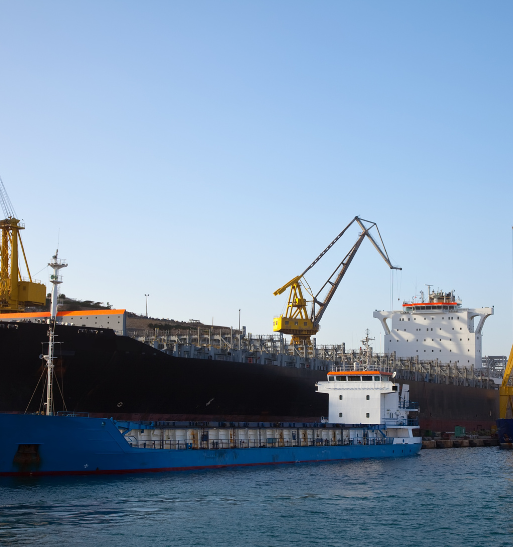
Draft surveys are among the most precise methods for determining cargo weight.
Since a vessel’s draft is directly affected by the weight of the cargo, this method ensures highly accurate measurements based on the vessel’s displacement. It is essential for establishing the correct cargo weight for billing and payment purposes.
Discrepancies in cargo weight can lead to disputes between cargo owners, charterers, and ship operators.
Draft surveys provide an independent and reliable method for calculating cargo weight, reducing the potential for disagreements regarding quantities.
The accuracy and transparency of the results serve as a solid foundation for resolving any conflicts that may arise.
Draft surveys help monitor the vessel’s weight during loading and unloading operations and are essential for preventing overloading. Excess cargo can create unsafe conditions, compromising the vessel’s stability and seaworthiness.
By ensuring that the cargo weight is accurately calculated and aligned with the vessel’s capacity, draft surveys contribute to safe and efficient operations.
Hold Inspections
Hold inspections are essential to ensure that cargo compartments are in optimal condition before, during, and after transportation.
This process helps preserve cargo integrity, ensure regulatory compliance, and prevent operational delays or disputes.
Hatch Cover Tests
Hatch Cover Tightness Test
Isto é o título
Ultrasonic Hatch Cover Test
Isto é o título
Hatch and Cover Sealing Inspections
Isto é o título
On/Off-Hire Surveys
Complementary Surveys
The condition survey assesses the overall state of the vessel during on-hire and off-hire inspections.
The surveyor examines signs of wear, maintenance deficiencies, or damages that may have occurred during the charter period.
The inspection covers the hull, machinery, cargo holds, safety equipment, and onboard systems.
It ensures that the vessel complies with operational standards and that any damage is properly recorded and attributed to the responsible party.
When disagreements arise between the shipowner and the charterer regarding fuel quantities or the vessel’s condition, a Dispute Survey is conducted.
The surveyor performs an impartial assessment of the vessel’s condition and fuel levels, helping to resolve the issue based on technical evidence.
This process prevents prolonged legal disputes and ensures fair accountability for both parties.

Pre-Loading Inspections
Pre-Loading Inspection
Cargo Condition Inspection
Loading Supervision
Hull and Machinery Surveys
P&I Surveys (Claims and Protest Support)
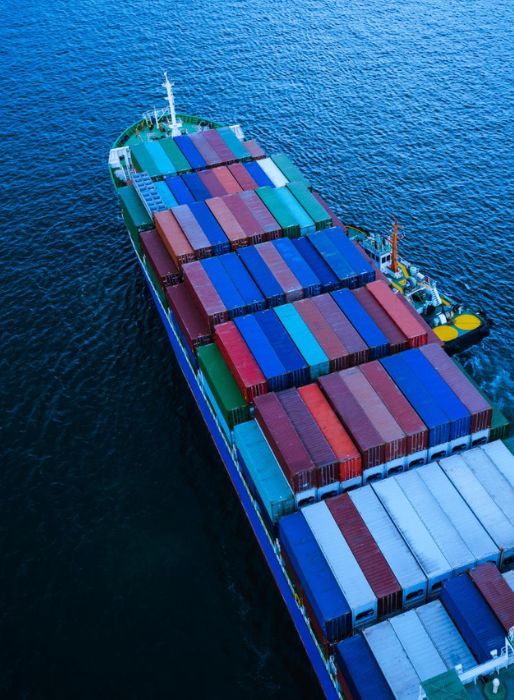
These surveys assess damage and provide evidence for insurance claims and protests, supporting stakeholders in insurance and dispute resolution processes. The surveyor plays a key role in assisting the ship’s master whenever an issue arises during vessel operations. Their expertise ensures that problems are addressed quickly and effectively, minimizing risks and delays.
If a problem occurs, the surveyor can provide technical guidance by assessing the situation, identifying potential causes, and recommending immediate corrective actions.
Whether involving cargo operations, structural issues, equipment failures, or disputes, the surveyor acts as a reliable consultant, helping the master handle complex situations.
Additionally, the surveyor documents findings, gathers evidence, and liaises with relevant parties — such as port authorities, classification societies, and insurers — to support claims, protests, or necessary adjustments.
Their presence enhances decision-making, ensuring that operations comply with regulations and that the vessel continues operating safely and efficiently.
Container Inspections
Pre-Shipment Inspection
Stuffing Inspection
In-Transit Inspection
Post-Arrival Inspection
Customs Inspection
Cargo Sampling (IMSBC Code)
Ensuring cargo quality during the loading process is essential to maintaining the integrity of goods throughout maritime transport.
A thorough analysis helps detect any damages, contamination, or nonconformities with specifications before the cargo is stuffed into containers.
This process prevents financial losses, disputes, and delays at the destination. Quality monitoring also ensures that sensitive or perishable items are properly handled, preserving their condition during the entire journey.
Flexible inspection services tailored to each client’s specific needs, providing quick and effective solutions for unexpected issues or operational requirements.
Conducting crane inspections on board a vessel prior to operations is essential to ensure safety, efficiency, and compliance with regulations. A comprehensive pre-operation survey helps identify potential mechanical failures, preventing delays, equipment damage, or risks during cargo handling.
Regular maintenance and inspections ensure that cranes remain in optimal working condition, minimizing the risk of accidents.
In the event of a failure or accident, an immediate inspection is crucial to determine the cause, assess the extent of the damage, and implement corrective actions.
These post-incident inspections help prevent recurrences, reinforce operational safety, and ensure that all lifting equipment meets the required standards before operations resume

Lashing Inspections
A Lashing Certificate is an essential document in maritime operations, certifying that cargo has been properly and securely fastened on board a vessel.The term lashing refers to the process of securing cargo to prevent it from moving or shifting during transport — which could cause damage to the cargo itself or to the vessel.A qualified surveyor inspects the cargo lashing arrangements to ensure compliance with safety standards and regulations, issuing the corresponding Lashing Certificate.This professional plays a key role in ensuring the integrity of the lashing system and the safety of both the vessel and the cargo throughout the voyage.
Contact us to learn more about our inspection and survey services and find the best solution for your operation.
We want to hear from you! Reach out to our team and discover how Bowline can support your maritime and port operations.